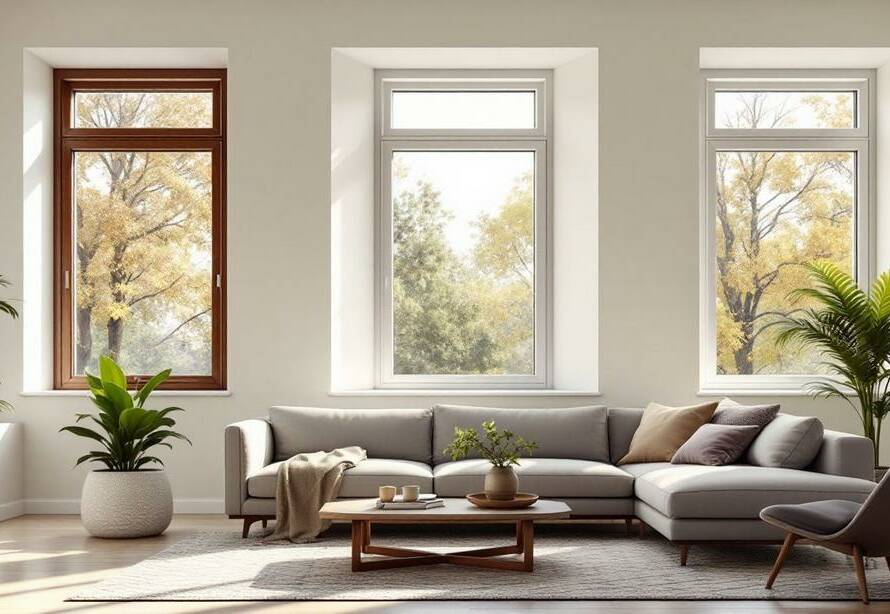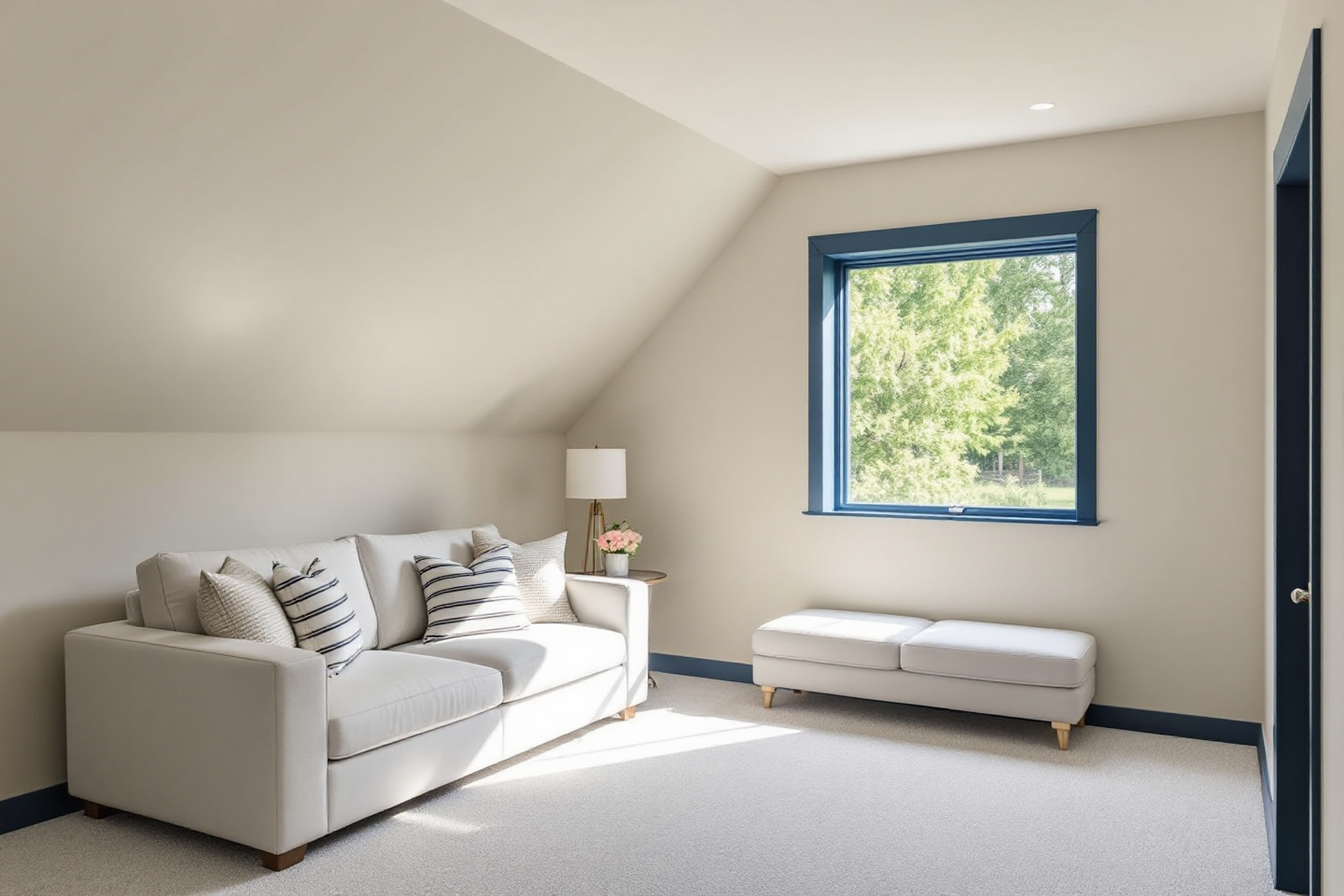
Basements often get a bad rap—dark, stuffy, and a bit forgotten. But the right basement window options can turn that dungeon into a delightful, livable space. Whether you’re creating a home office, an extra bedroom, or just want to make the area more inviting, upgrading your basement windows is essential for safety, ventilation, and light.
It’s not just about aesthetics. Building codes often require specific types of windows (especially in bedrooms), and smart choices here can increase your home’s value while making it safer for your family. Let’s dive into the best basement window options and what makes each one worth considering.
TL;DR – Quick Guide
- Why upgrade? To improve air flow, meet safety codes, and let in natural light.
- Best window types? Hopper, egress, sliding, and glass block windows.
- Code compliance? Bedrooms usually require egress windows for emergency exits.
- Price range? Typically $250 to $1,200 per window including installation.
- Worth it? Absolutely—adds light, value, and peace of mind.
Implementation Tactics
1. Egress Windows for Safety First
If your basement has or will have a bedroom, egress windows aren’t optional—they’re a legal requirement in most states. They must be large enough for an adult to climb through and often require a window well with a ladder if below ground level.
Key features:
- Minimum opening of 5.7 square feet
- No higher than 44 inches from the floor
- Must open easily from the inside, without keys or tools
This upgrade can also boost home value significantly, especially if you’re adding a legal bedroom.
2. Hopper Windows for Ventilation
Compact and efficient, hopper windows are hinged at the bottom and open inward from the top. They’re ideal for tight spaces and provide decent ventilation while maintaining security.
Best for: Utility rooms, laundry areas, or small finished spaces where airflow is needed without taking up a lot of room.
3. Sliding Windows for Style and Function
If you’ve got a bigger wall opening or just want more light and air, sliding basement windows are a modern and stylish choice. They offer a wide viewing area and are easy to operate.
Pro tip: Combine them with security screens or bars if you’re concerned about break-ins, especially at or near ground level.
4. Glass Block Windows for Privacy and Security
If your main goal is security and privacy, especially in bathrooms or utility rooms, glass block windows are unbeatable. They’re thick, hard to break, and offer great insulation.
While they don’t open, many models come with small, built-in vents to allow minimal airflow.
5. Window Wells: The Unsung Hero
For below-grade windows (like egress or hopper styles), a window well is essential. It prevents soil from pressing against the window and allows for proper drainage.
Make sure your well:
- Has a cover to keep out debris and water
- Includes a ladder or steps if it’s part of an egress setup
- Slopes away from the foundation for drainage
Key Takeaways
- Basement window options are critical for making lower levels safe, comfortable, and code-compliant.
- Egress windows are legally required in basement bedrooms and offer an emergency exit.
- Hopper, sliding, and glass block windows each have their strengths for ventilation, light, and privacy.
- Installing the right window wells ensures long-term durability and proper drainage.
- Investing in proper basement windows can dramatically improve the livability and value of your home.
FAQs
1. What are the most common basement window options?
The top choices include egress windows for safety, hopper windows for tight spaces, sliding windows for light and airflow, and glass block for privacy and insulation.
2. Do I need an egress window in my basement?
If you’re adding a bedroom or any sleeping space, yes—it’s legally required for safety. An egress window provides a second exit in case of fire or emergency.
3. How much does it cost to install a basement window?
Costs vary widely. A basic hopper window might run around $250, while a fully installed egress window with well can cost $1,000–$3,000 depending on excavation and finishing needs.
4. Can I replace a basement window myself?
While handy homeowners can tackle simpler replacements, egress installations or enlargements are best left to professionals to ensure structural integrity and code compliance.
5. What’s the best basement window for natural light?
Sliding windows or large egress-style casement windows provide the most natural light. For light without sacrificing privacy, glass block is also a solid option.