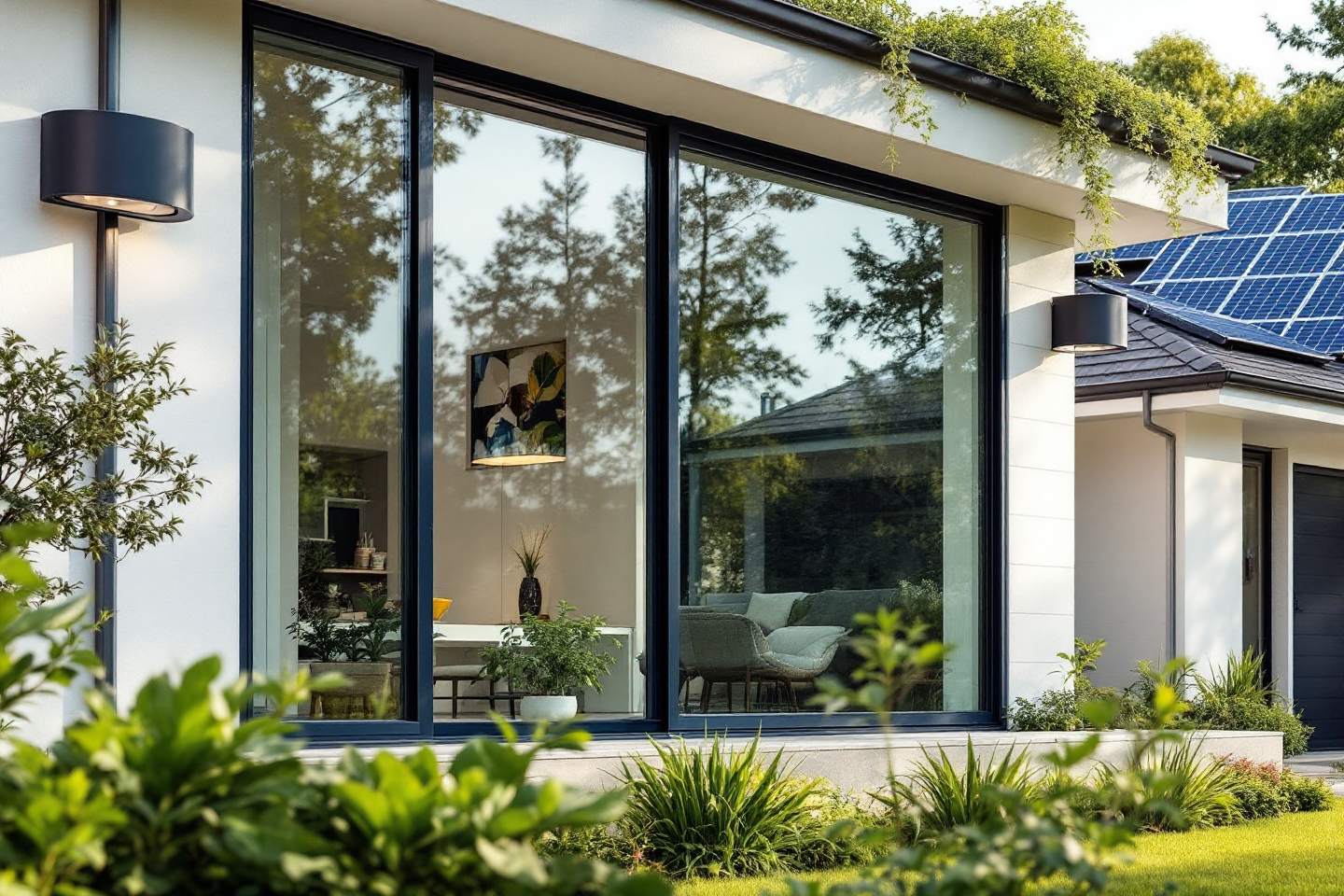
Thinking about replacing your windows or planning a new build? If sustainability is a priority, you’re not alone. With more homeowners leaning into green building practices, eco-friendly window materials are rising in popularity—not just as a feel-good choice, but as a savvy, long-term investment.
Choosing sustainable window materials can dramatically improve your home’s energy efficiency, reduce environmental impact, and even bump up property value. Let’s break down what makes a window material eco-friendly, explore your best options, and help you make a smarter, greener decision for your next home project.
TLDR – Quick Guide
- What are eco-friendly window materials? Options like sustainably harvested wood, recycled aluminum, fiberglass, and uPVC that lower environmental impact.
- Why choose them? Energy savings, recyclability, lower carbon footprint, and longer life spans.
- Top materials? FSC-certified wood, recycled aluminum, fiberglass, composite materials, and low-emissivity (Low-E) glass.
- Are they expensive? Some cost more upfront, but save money long term through energy efficiency and durability.
- Do they look good? Absolutely—modern eco-friendly materials are stylish, customizable, and high-performing.
Detailed Breakdown
1. What Makes a Window Material Eco-Friendly?
An eco-friendly window material minimizes environmental harm across its lifecycle—from sourcing and manufacturing to installation and disposal. These materials are often:
- Recyclable or made from recycled content
- Energy-efficient in both production and use
- Durable and long-lasting
- Sourced sustainably or locally
Opting for these materials reduces your carbon footprint while improving indoor comfort and lowering utility bills.
2. Top Eco-Friendly Window Materials to Consider
FSC-Certified Wood
Wood remains a favorite for its classic look and excellent insulation properties. When certified by the Forest Stewardship Council (FSC), it means the wood comes from responsibly managed forests. Bonus: wood frames are biodegradable.
Recycled Aluminum
Aluminum is lightweight, strong, and fully recyclable. Opt for windows made from post-consumer recycled aluminum to minimize environmental impact. Modern thermal breaks help offset its conductivity issues.
Fiberglass
Made from sand and recycled glass, fiberglass windows are tough, weather-resistant, and boast a lower environmental footprint than vinyl. They expand and contract very little, which means better sealing and longevity.
uPVC (Unplasticized Polyvinyl Chloride)
Unlike traditional PVC, uPVC is more rigid and doesn’t require harmful plasticizers. It’s energy-efficient, low-maintenance, and recyclable—making it a more sustainable alternative.
Composite Materials
A blend of wood fibers and polymers, composite frames offer the best of both worlds: durability and insulation. They resist rot, mold, and decay while reducing the need for frequent replacements.
3. Low-E Glass: The Energy Efficiency Multiplier
Low-emissivity (Low-E) glass isn’t a material for the frame, but it’s a game-changer for panes. This glass has a microscopically thin coating that reflects heat while letting in light. The result? Cooler summers, warmer winters, and energy savings year-round.
According to Energy.gov, Low-E coatings can reduce energy loss by up to 50%.
4. Long-Term Savings and ROI
Yes, some eco-friendly window materials may carry a higher upfront cost. But factor in:
- Reduced heating and cooling costs
- Fewer replacements over time
- Potential tax credits or rebates for energy-efficient upgrades
Suddenly, those windows start paying for themselves.
5. Style Meets Sustainability
Going green doesn’t mean sacrificing style. Today’s eco-friendly windows are available in everything from sleek black fiberglass to rustic FSC-certified wood, with custom shapes, colors, and finishes. Whether your vibe is modern minimalism or cottage-core, there’s a sustainable option to match.
Key Takeaways
- Eco-friendly window materials reduce your carbon footprint, save energy, and deliver long-term value.
- Top options include FSC wood, recycled aluminum, fiberglass, and composite frames.
- Don’t forget Low-E glass—a smart add-on for any window type.
- Sustainable windows are stylish and functional, with plenty of customizable options.
- While some choices cost more upfront, they offer significant savings and environmental benefits over time.
FAQs
1. Are eco-friendly windows more expensive?
Generally, they can cost more upfront, especially materials like fiberglass or FSC-certified wood. However, their durability and energy efficiency often lead to long-term savings.
2. What’s the greenest window material?
Fiberglass and FSC-certified wood are top contenders. Both offer excellent insulation, long life spans, and minimal environmental impact when sourced responsibly.
3. Can I get eco-friendly windows with double or triple glazing?
Absolutely. Many eco-friendly materials are compatible with multi-pane glass options, which significantly boost energy performance.
4. Do eco-friendly windows qualify for tax credits?
Yes, energy-efficient windows may qualify for federal or state incentives. Always check current Energy Star guidelines and local rebate programs.
5. Are recycled aluminum windows durable?
Very. Recycled aluminum frames are strong and corrosion-resistant. With added thermal breaks, they become excellent insulators too.