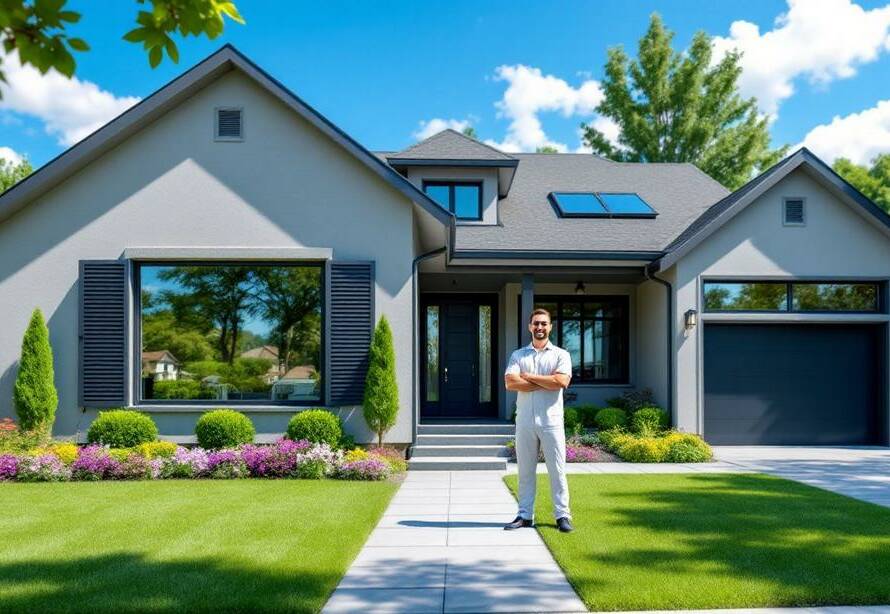
As the population ages and more homeowners choose to stay in their homes longer, the demand for aging-in-place designs is skyrocketing. These designs focus on making homes safer, more accessible, and more comfortable for seniors. One key, often overlooked component? Windows.
Upgrading windows isn’t just about looks—it’s about ensuring every element of a home supports independent, long-term living. From smart sensors to easy-glide mechanics, windows now play a vital role in creating homes that age gracefully with their occupants.
TLDR – Quick Guide
- Key Focus: Safety, ease of use, and thermal comfort
- Top Trends: Smart windows, low-maintenance materials, wide sills, and impact resistance
- Best Features for Seniors: Lever-style locks, automation, energy-efficient glazing
- Why it Matters: Reduces falls, improves home usability, and enhances quality of life
- Who Needs This: Homeowners aged 55+, family caretakers, and home remodelers
Detailed Breakdown: Window Upgrades for Aging-in-Place Designs
1. Low-Effort Operation and Ergonomic Features
Windows for aging-in-place should be easy to open, close, and lock without requiring much strength. Casement and awning windows with crank or lever handles are popular because they don’t require pushing or lifting.
Pro Tip: Look for lever-style locks and wide-opening windows to aid ventilation with minimal effort.
2. Smart Window Technology
Smart windows are no longer sci-fi—they’re practical tools for independent living. With remote-controlled blinds, app-based open/close functions, and sensors that alert if a window is left open, these upgrades boost safety and peace of mind.
According to AARP, 77% of seniors prefer to age in place with tech that supports daily routines.
3. Impact-Resistant and Safety Glass
Falls are the leading cause of injury among older adults. Replacing traditional glass with laminated or tempered safety glass reduces the risk of serious injury if someone stumbles into a window.
Also, windows that meet hurricane or impact standards offer added protection from break-ins and severe weather—critical for peace of mind.
4. Energy Efficiency for Comfort and Savings
Aging-in-place doesn’t just mean accessibility—it also means comfort. Double or triple-pane windows with low-E coatings help maintain consistent indoor temperatures, cutting down on heating and cooling bills.
Capital View Windows, for example, specializes in energy-efficient window solutions that keep homes cozy and cost-effective.
5. Low-Maintenance Materials
Who wants to spend their golden years scrubbing sills or scraping paint? Vinyl and fiberglass frames are ideal for aging-in-place designs. They’re durable, don’t rot, and are easy to clean—less upkeep, more enjoyment.
6. Window Placement and Design Adjustments
Windows should be placed at a height that doesn’t require bending or reaching. Adding deeper sills can also double as resting ledges or support surfaces for mobility aids.
Wider windows let in more natural light, which improves mood and visibility—especially important as vision changes with age.
Key Takeaways
- Ease of use is non-negotiable: crank and lever windows win.
- Smart windows help seniors stay safe without sacrificing independence.
- Safety glass prevents injuries, while energy-efficient glass ensures year-round comfort.
- Low-maintenance frames are ideal for reducing household burdens.
- Design adjustments like wider sills and strategic placement make daily life smoother and safer.
FAQs
1. What are aging-in-place designs?
Aging-in-place designs refer to home modifications that allow seniors to live independently and safely in their own homes as they age. This includes everything from no-step entries to smart window installations.
2. Why are windows important in aging-in-place remodeling?
Windows affect accessibility, energy efficiency, safety, and even mood. Upgrading them can drastically reduce fall risks and make climate control easier for older adults.
3. How do smart windows help elderly homeowners?
Smart windows allow remote control via smartphone or voice assistant, which reduces the need to physically open or close them. Many also include sensors for safety alerts.
4. Can aging-in-place window upgrades increase home value?
Absolutely. Aging-in-place features are increasingly attractive to homebuyers over 50. Installing modern, accessible windows can significantly boost resale value.
5. What kind of glass should be used for safety in aging-in-place homes?
Tempered or laminated safety glass is ideal. It doesn’t shatter into sharp pieces, making it safer in case of accidents or falls.