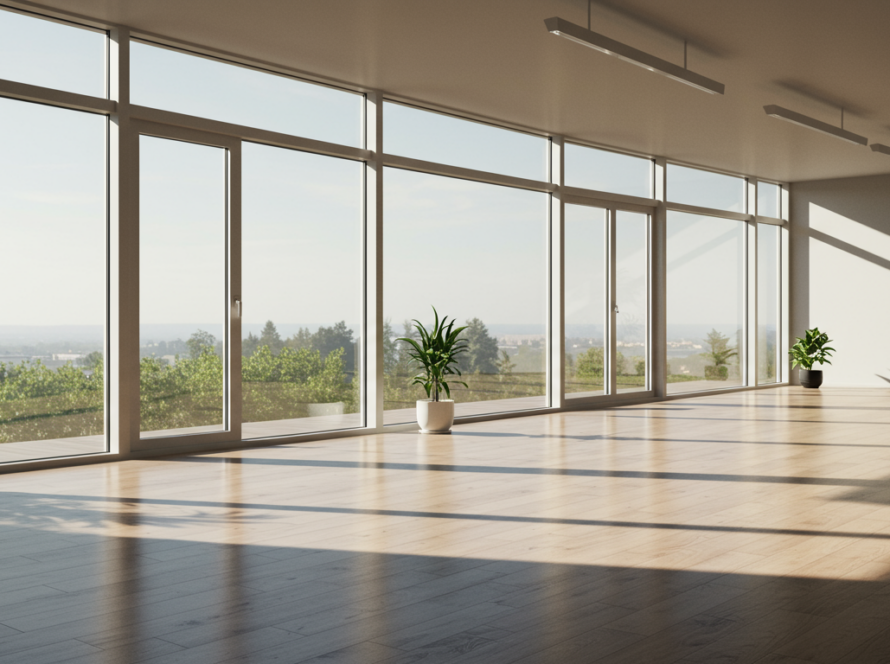
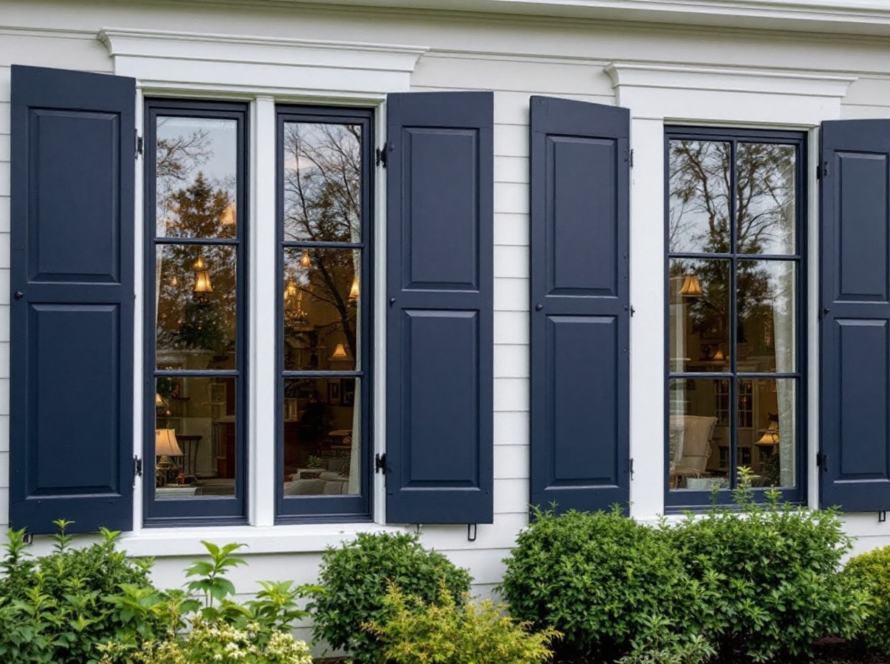
Most homeowners think of tinted windows as a sleek privacy feature—but the benefits go far beyond blocking nosy neighbors. When installed correctly, tinted residential windows improve comfort, cut energy costs, and protect your home’s interior from sun damage.
Whether you’re replacing windows or retrofitting existing ones, this guide covers the top benefits of window tinting and why it’s a smart investment for modern homes.
TLDR Quick Guide
- Tinted windows reduce glare and UV damage inside your home.
- They improve energy efficiency by limiting heat gain.
- Enhance daytime privacy without sacrificing natural light.
- Tinting can protect furniture, flooring, and artwork from fading.
- Optional decorative tints offer both style and function.
1. Enhanced Privacy Without Heavy Curtains
Tinted windows allow you to enjoy natural daylight while keeping prying eyes out.
- Ideal for street-facing windows or homes in dense neighborhoods
- Keeps your home feeling open without needing blinds or shades during the day
- Certain tints offer one-way visibility in daylight conditions
Note: Privacy levels vary by tint type—consult a pro to find the right balance for your space.
2. UV Protection: Preserve Your Interiors
Sunlight contains ultraviolet (UV) rays that can fade:
- Hardwood floors
- Upholstery and drapes
- Artwork and photos
Tinted windows block up to 99% of UV rays, extending the life and look of your furnishings and finishes.
3. Energy Efficiency and Climate Control
Tinted windows act as a thermal barrier, reducing unwanted heat gain in summer and heat loss in winter.
Energy Benefits:
- Lower indoor temperatures = reduced A/C usage
- Maintains more stable indoor climate year-round
- May contribute to lower heating and cooling bills
Pro Tip: Choose films with a low Solar Heat Gain Coefficient (SHGC) for hot climates.
4. Glare Reduction for Comfort and Visibility
Glare from direct sunlight can disrupt:
- TV viewing and monitor visibility
- Kitchen prep and reading
- General comfort in living areas
Tinted glass reduces glare without darkening your space, making daily activities more enjoyable.
5. Safety & Shatter Resistance
Some tint films add a layer of safety protection by:
- Holding broken glass together in case of impact
- Adding strength to resist forced entry
- Protecting your family and pets from accidental breakage injuries
6. Style and Aesthetic Enhancement
Modern window tints come in a variety of:
- Tones (neutral, bronze, gray, blue)
- Finishes (reflective, matte, frosted)
- Decorative options (etched patterns, gradients)
This allows you to elevate your home’s curb appeal and interior design while improving function.
7. Potential Tax Credits and Rebates
Some energy-efficient tint installations may qualify for:
- Local utility rebates
- Federal tax incentives (especially for ENERGY STAR® certified glazing systems)
Check with your window contractor and local programs for eligibility.
Key Takeaways
- Tinted residential windows offer privacy, energy savings, UV protection, and glare control.
- They preserve your interior, improve comfort, and reduce strain on HVAC systems.
- Available in a wide range of shades and styles to suit any home design.
- Tinting enhances both function and aesthetics—making it a worthwhile upgrade.
- Installation may qualify for rebates and long-term ROI through utility savings.
FAQs
- Will tinting my windows make my house too dark?
No. Modern tints are designed to block heat and UV rays—not visible light. You can select varying transparency levels. - Can window tinting be added to existing windows?
Yes. Many films can be retrofitted to your current windows by a professional installer. - Does tinting affect indoor plant growth?
Most home window tints still allow enough natural light for indoor plants to thrive. - Is residential window tinting permanent?
Most films last 10–20 years and can be removed or replaced as needed without damaging the window. - Are there laws or restrictions on tint levels?
Some areas have regulations for reflective or dark tinting. Always check local codes before installation.