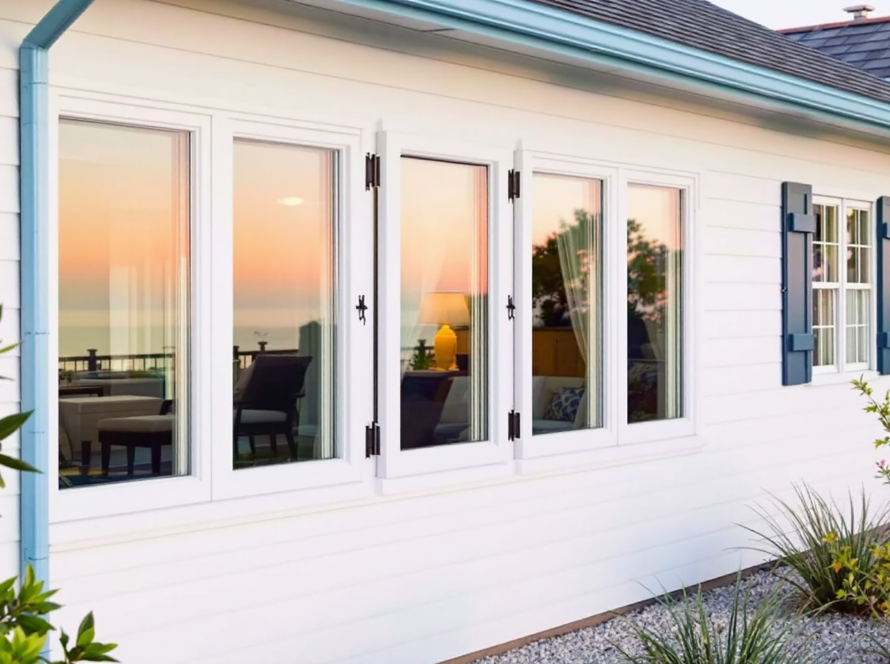
Choosing the right windows can make or break the design, comfort, and efficiency of your home. Enter tilt and turn windows—a European staple that’s gaining traction in modern American architecture. They’re sleek, multifunctional, and energy-efficient. But are they right for your home? Before you jump on the trend, it’s smart to weigh both sides of the story.
TLDR – Quick Guide
- Tilt and turn windows open two ways: tilt inwards at the top for ventilation, or swing fully inward like a door.
- Pros include: superior ventilation, easy cleaning, tight seals, and modern aesthetics.
- Cons include: higher cost, bulky inward opening, and compatibility issues with certain window treatments.
- Best for: modern homes, tight spaces, and energy-conscious homeowners.
Detailed Breakdown
What Are Tilt and Turn Windows?
Tilt and turn windows are multi-functional windows that open in two distinct ways from a single handle:
- Tilt Mode: Top of the window tilts inward for ventilation.
- Turn Mode: Window swings inward like a casement for full access.
This dual-action design originated in Germany and has become a hallmark of smart window engineering in contemporary European homes.
The Pros
- Enhanced Ventilation
Tilt mode allows fresh air to circulate without swinging the window fully open. Great for maintaining indoor air quality even during rain. - Easy Cleaning
Since they open inward, you can easily clean both the inside and outside from indoors—perfect for high-rise apartments or second-floor windows. - Superior Energy Efficiency
Tilt and turn windows create a tighter seal than traditional sliders or double-hungs. That means better insulation and potentially lower heating and cooling bills. - Improved Security
When in tilt mode, the window is locked from the outside. Plus, the multipoint locking systems typically used offer more security than standard latches. - Modern Aesthetic
Their clean lines and hardware-free exterior look great in modern and minimalist home designs.
The Cons
- Higher Initial Cost
These aren’t your bargain-bin windows. Expect to pay 20–50% more than standard styles. - Space Considerations
The inward swing means you’ll need clear interior space—no furniture, plants, or shades blocking the opening. - Window Treatments Are Tricky
Traditional blinds or shades can get in the way of the inward opening mechanism, which might require customized or European-style treatments. - Limited Supplier Network in North America
While growing in popularity, not every contractor or retailer carries or installs them. Lead times and sourcing can be longer. - Learning Curve
The handle’s functionality (one position to tilt, another to turn) may confuse guests or new users unfamiliar with the mechanism.
Real-Life Use Case
In modern urban renovations—think converted lofts or compact townhomes—tilt and turn windows are a dream. For example, European Windows notes that their clients in cities like Toronto and New York love how they combine style with airflow control, without sacrificing safety.
On the flip side, traditional homes with heavy drapery or limited interior space may find the inward-opening mechanism a design challenge.
Key Takeaways
- Tilt and turn windows are a solid choice for those prioritizing function, security, and a contemporary look.
- They’re especially valuable in multi-story homes or condos where exterior access for cleaning is limited.
- The downsides mainly relate to interior space requirements, higher upfront cost, and installation complexity.
- If you’re planning a smart, energy-efficient remodel—these are a worthy investment.
- Just make sure your interior design plans play nice with inward-opening panels.
FAQs
- Are tilt and turn windows more secure than other types?
Yes. They often include multi-point locking systems, making them more difficult to tamper with from the outside. - Can I install curtains or blinds with tilt and turn windows?
You can, but it requires careful planning. Consider mounted shades or blinds that won’t obstruct the inward swing. - Do tilt and turn windows open outward at all?
No. They only tilt inward at the top or swing inward from the side—never outward. - Are they suitable for all home styles?
While best for modern or European-inspired homes, they can be adapted to traditional designs with the right framing and finishes. - How much do tilt and turn windows cost?
Prices vary, but you’re generally looking at $500–$1,200 per window, depending on size, materials, and features.