Windows are wonderful—they let in natural light, fresh air, and offer a view of the world outside. But when you’ve got toddlers, curious cats, or energetic pups in the house, those windows become potential hazards. That’s why understanding window safety tips isn’t just smart—it’s essential.
Every year, thousands of children and pets are injured due to unsecured or improperly maintained windows. From falls and broken glass to strangulation hazards from cords, the risks are real—but the good news is that most of them are entirely preventable. This blog breaks down practical, actionable window safety tips to help you childproof and pet-proof your space without sacrificing comfort or style.
TLDR – Quick Guide
- Install window guards or stops to prevent falls.
- Keep furniture away from windows to limit access.
- Use cordless window treatments or secure cords out of reach.
- Regularly check screens and locks for wear and tear.
- Choose safety glass or add film to minimize breakage risks.
Implementation Tactics
1. Window Guards & Stops: Fall-Proofing Your Home
The first and most crucial tip? Install window guards or stops. These devices prevent windows from opening wide enough for a child (or even a small pet) to fall through. The recommended safe opening is no more than 4 inches.
Make sure the guards are:
- Approved by the American Society for Testing and Materials (ASTM)
- Easy for adults to open in emergencies
Window stops, meanwhile, are budget-friendly tools that limit how far a window can be opened without obstructing airflow.
2. Smart Furniture Placement
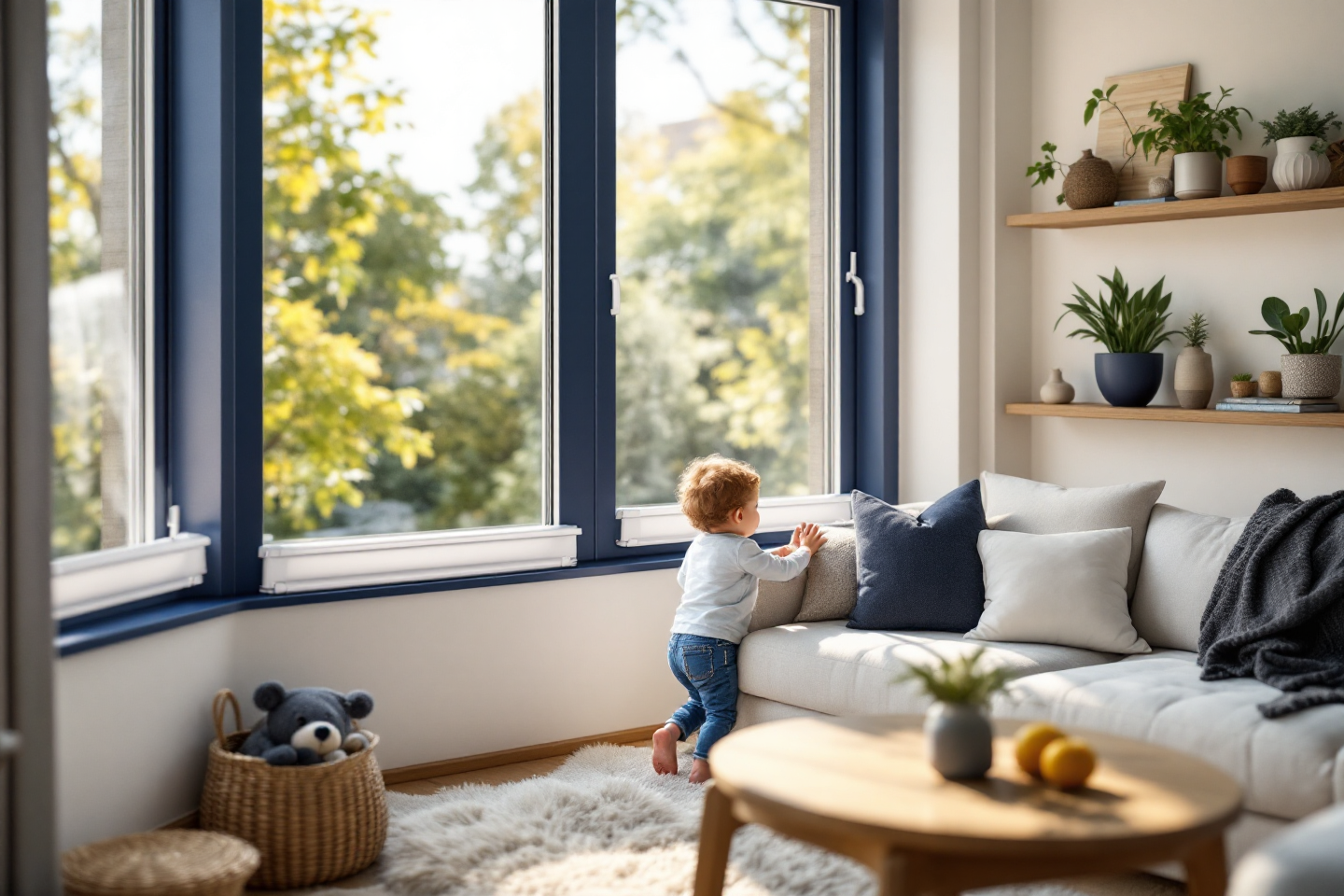
That adorable window seat or the low couch under the bay window? It might be a climbable danger zone. Move furniture away from windows to discourage climbing and keep curious kids and pets at ground level.
This also applies to pet steps or cat trees—make sure they’re not giving your furry friends unsupervised access to open windows.
3. Cordless or Cord-Safe Window Treatments
Window blind cords are a known strangulation hazard. The U.S. Consumer Product Safety Commission (CPSC) reports that corded window coverings are one of the top five hidden hazards in American homes.
Upgrade to cordless blinds, or at the very least:
- Use cleats to wrap cords high and out of reach
- Avoid looped cords, or cut and anchor them securely
4. Lock It Down: Check Latches and Screens
Screens keep bugs out—but they do not keep kids or pets in. They’re not built to withstand pressure and can pop out easily. Always keep windows locked when not in use, and never rely on screens as a safety feature.
Do a monthly window check:
- Ensure all locks function correctly
- Inspect screens for holes or damage
- Confirm any child safety latches are working properly
5. Use Safety Glass or Window Film
Accidents happen. And when they do, tempered or laminated safety glass can make all the difference. These materials are designed to shatter into dull pieces rather than dangerous shards.
Alternatively, consider window film—a transparent layer that reinforces standard glass. It’s cost-effective and adds an extra layer of protection against both break-ins and breakage.
Key Takeaways
- Window safety tips are critical for families with children or pets.
- Install guards and stops to prevent falls and secure all window openings.
- Keep climbable furniture away from windows to reduce access.
- Choose cordless blinds or secure cords out of reach to prevent strangulation.
- Regularly inspect windows and screens to ensure everything works as it should.
- Use safety glass or apply window film to reduce injury from accidental breakage.
FAQs
1. How can I make my windows safe for toddlers?
Start by installing window guards or stops to prevent wide openings, move any furniture that can be climbed, and switch to cordless blinds to eliminate strangulation risks.
2. Are screens enough to keep kids and pets from falling?
No. Window screens are not safety devices—they can pop out easily. Always use guards or keep windows locked when kids or pets are nearby.
3. What are the safest window coverings for homes with children?
Cordless blinds or motorized shades are the safest options. If you have corded treatments, make sure the cords are tied up high and cannot form loops.
4. Should I replace my windows with safety glass?
If you’re renovating or replacing anyway, tempered or laminated safety glass is a smart choice. If not, adding a protective film can offer similar benefits without the cost.
5. How often should I check my window safety setup?
Do a quick check monthly. Ensure guards are secure, locks work, cords are out of reach, and screens haven’t been damaged or loosened.